2 hr
Geiranger Zipline Park Adventure
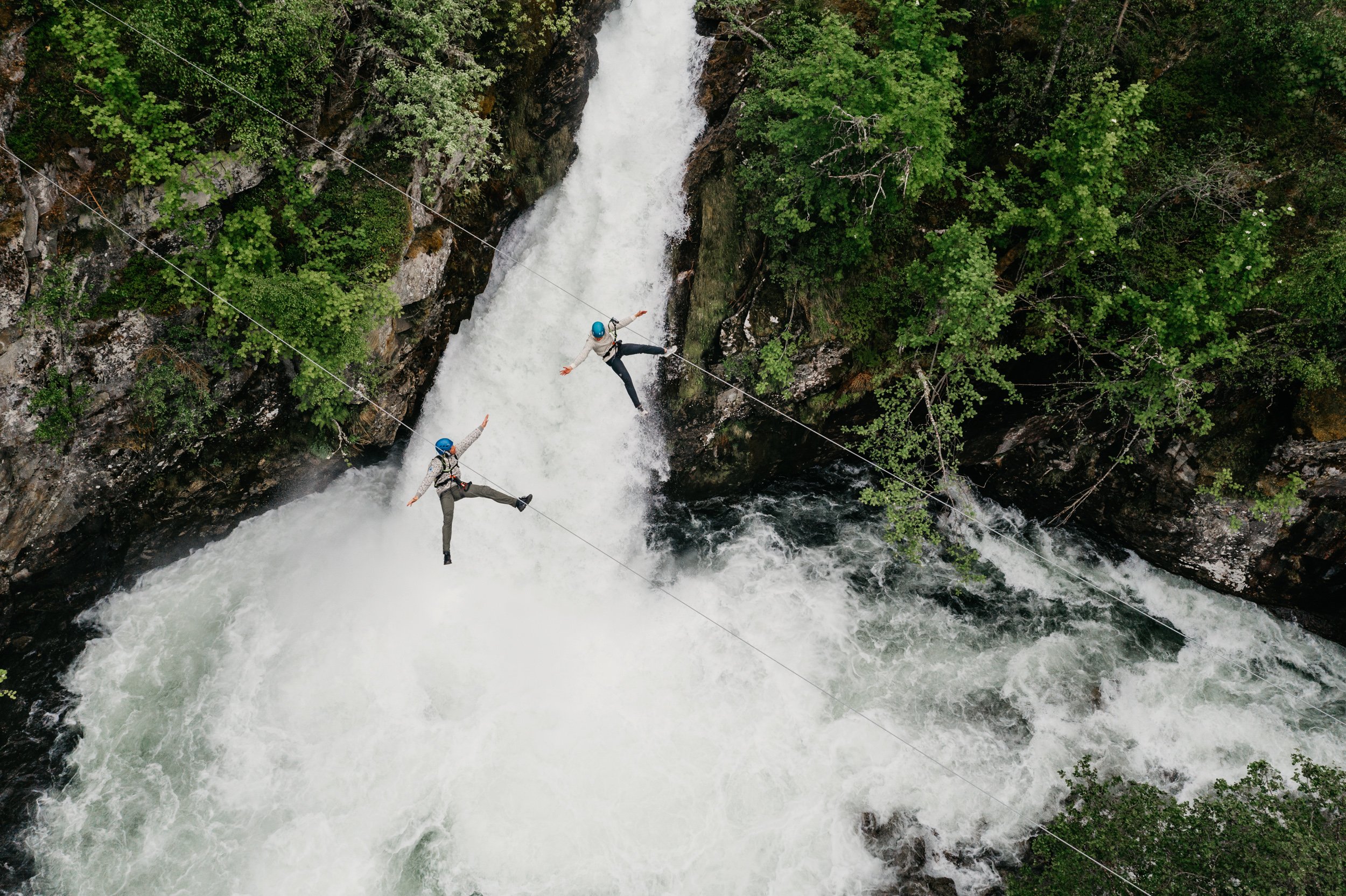
Fly across gorges and tackle suspension bridges in a UNESCO fjord landscape with waterfalls
Reserve
Hand-picked by our editors — only the best 5 adventure experiences from 12 reviewed.
Verified partners for every tour, free cancellation where available, and instant confirmation on every booking.
2 hr
Fly across gorges and tackle suspension bridges in a UNESCO fjord landscape with waterfalls
Reserve
1 hr
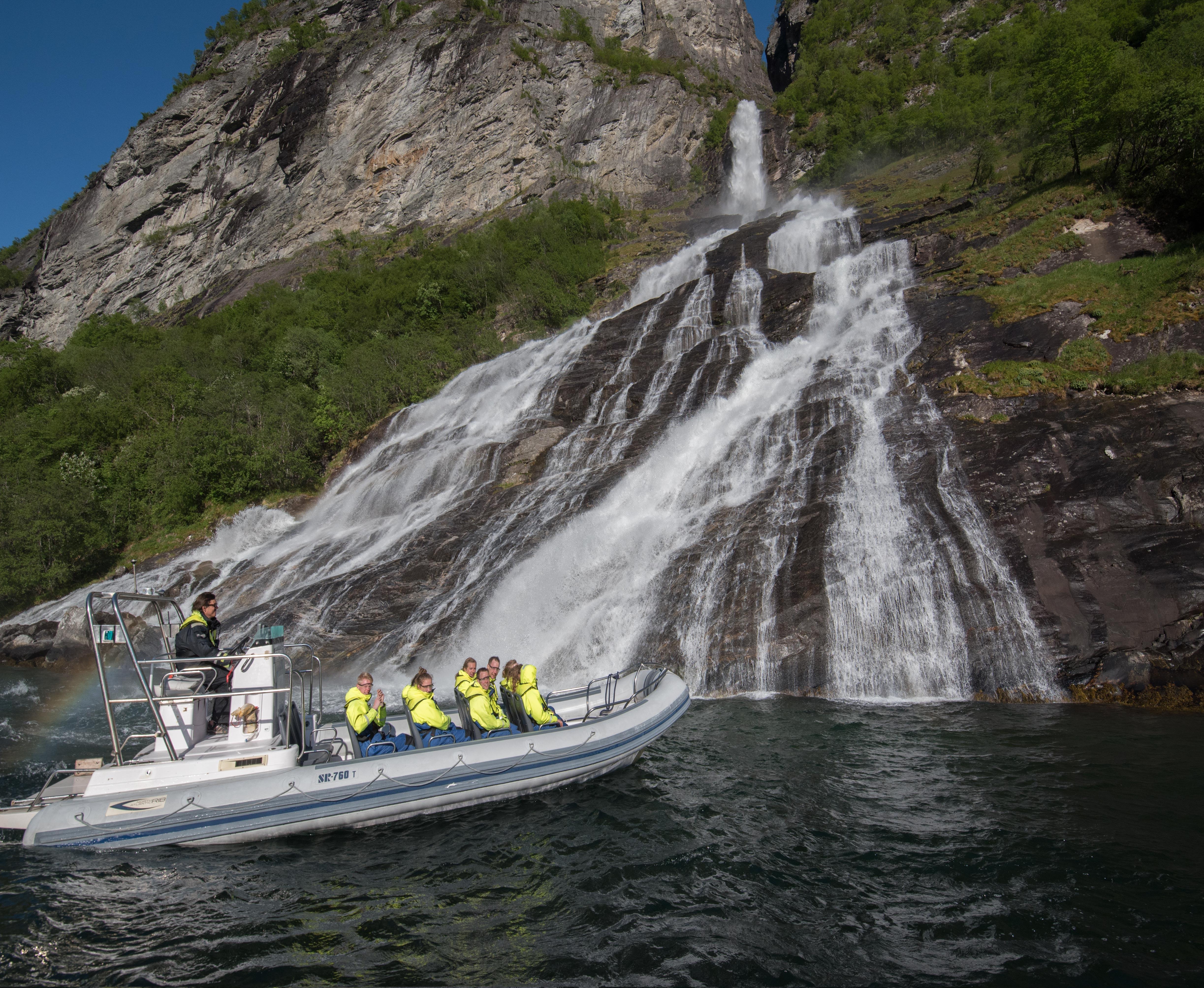
Race through UNESCO-listed waters on an open RIB, getting close enough to waterfalls to feel the spray.
Reserve
3 hr 15 min
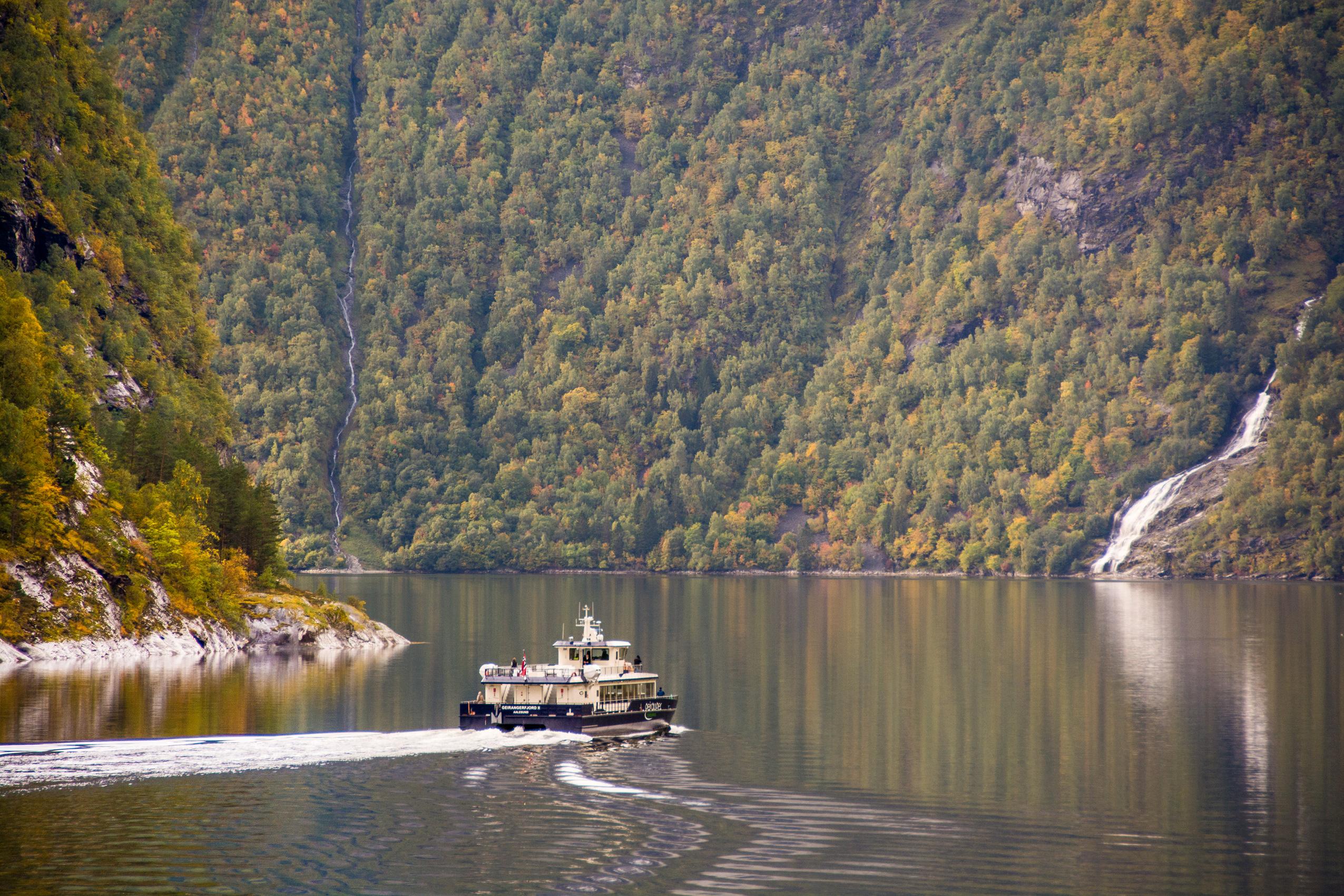
Sail through a UNESCO fjord past cascading waterfalls and dramatic cliffs on a classic or silent electric boat
ReservePrices from verified partners. Availability updates in real time at checkout. Free cancellation policies apply where shown.
The landmarks, rooms, and views travelers on this tour remember — all visible on a single visit.
Witness the raw power of this cascade from the safety of a specially positioned zipline platform. It serves as a natural centerpiece for the park.
The geiranger zipline park experience is best for those seeking an active adrenaline rush, whereas the cruise offers a relaxing way to view the UNESCO World Heritage landscape. These two geiranger zipline park experience tours cater to different preferences for either high-energy motion or scenic maritime observation.
| Feature | Top pick Zipline Park | Fjord Cruise |
|---|---|---|
Physical intensity |
High energy required | Passive seating |
Primary objective |
Adventure and speed | Scenic sightseeing |
Viewing perspective |
Aerial forest views | Water-level fjord views |
Duration |
1–2 hours | 1.5–2.5 hours |
Group suitability |
Active individuals | Families and groups |
Terrain access |
Mountain forest paths | Fjord water transport |
| See tickets → |
Verdict: Select the zipline if you prefer an active mountain challenge, or opt for the cruise to enjoy the geiranger zipline park experience tickets alternative that focuses on iconic waterfall photography.
Choose your ticket, select your date, and reserve in under two minutes. Secure checkout handled by our verified partner.
Instant confirmation by email, with a mobile voucher you can save offline. No printing, no queuing at a collection desk.
Arrive at the entrance, show your voucher on your phone, and walk in. Most tickets include priority or skip-the-line access.
Practical details for your visit straight from our verified partners — hours, access, rules, and how to get there.
Wear sturdy, closed-toe outdoor shoes and comfortable clothing suitable for active movement. Avoid loose garments or scarves that could interfere with safety gear.
Secure all loose items in a small, tight-fitting backpack or leave them at the ticket office. Safety harnesses are provided and must be worn at all times while on the course.
Photography is permitted, but ensure your camera or phone is secured with a wrist strap. Do not attempt to film while actively navigating the zipline sections.
The experience involves traversing rugged forest terrain and climbing via ferrata rungs. It is not suitable for those with limited mobility or severe vertigo.
Children must be accompanied by an adult. Participants must meet the minimum height and weight requirements to ensure the safety equipment fits correctly.
No food or drink facilities are available inside the park. It is recommended to bring a water bottle and have a meal before your visit.
Best time to go, insider tips, nearby landmarks, and the cancellation fine print — flip through to skim what matters to you.
Flexible, no hidden fees.
Full refunds are available for cancellations made at least 24 hours in advance. The entrance fee of 600 NOK per adult for zipline-only access is subject to this policy.
The zipline park opened in 2019, anchored to granite cliffs 400 metres above Geirangerfjord's western shore. Engineers drilled steel cable anchors directly into Precambrian rock, the same formations that shaped the fjord's U-profile during the last glaciation 10,000 years ago. The longest flight spans 580 metres, dropping 120 vertical metres toward the water. Riders reach speeds of 85 kilometres per hour, suspended over birch forest and scree slopes that plunge to the UNESCO-protected fjord below. The park's design was contested by conservationists who argued that steel infrastructure violated the fjord's World Heritage designation. The Norwegian Environment Agency approved construction on the condition that all platforms remain reversible and leave no permanent footprint on bedrock. Today the facility operates under seasonal environmental monitoring, with cable tensions adjusted weekly to account for thermal expansion in summer heat. The geiranger zipline park experience occupies 14 hectares of alpine terrain between the village and Skageflå mountain farm, an abandoned settlement perched 250 metres above sea level. Four ziplines cross the same airspace that golden eagles and white-tailed sea eagles patrol during nesting season from March to July. The park closes individual lines when raptors are sighted within 200 metres, a protocol written into the operating permit. The high course includes 22 obstacles—rope bridges, cargo nets, and Tyrolean traverses—built around standing spruce and rowan trees that predate the facility by a century. Structural loads are distributed across limbs rather than trunks, allowing the trees to grow unimpeded. Rain and fog halt operations entirely; the park averages 180 operating days per year, clustered in the May-to-September window when cruise ships bring 4,000 daily visitors to the village. Geiranger's tourism economy has pivoted toward active experiences since 2015, when UNESCO and the Norwegian government began restricting large ships to reduce exhaust pollution in the narrow fjord basin. The zipline park was conceived as a land-based alternative to boat excursions, designed to absorb visitors for two to three hours and relieve pressure on the village's 200-person residential core. Entry requires a safety briefing in Norwegian and English, followed by a harness fitting and a ground-level practice traverse. Guides speak a minimum of three languages; most are seasonal workers from Norway, Sweden, and Germany who return each summer. The park's steel cables are replaced every eight years, regardless of wear, and inspected every 72 hours during operating season. Weight limits are enforced at 30 kilograms minimum and 120 kilograms maximum, calibrated to the tensile strength of the harness system and the deceleration capacity of the braking pulleys.
"Engineers drilled steel cable anchors directly into Precambrian rock, the same formations that shaped the fjord's U-profile during the last glaciation 10,000 years ago."
A step-by-step walkthrough of the visit — what you'll see, how long each stage takes, and the details that matter.
You arrive at the base lodge on Geirangervegen, 2.5 kilometres uphill from the ferry terminal. The briefing lasts 15 minutes: clipping protocols, emergency signals, and a demonstration of the self-braking pulley that governs your descent speed. A guide checks your harness at four points—waist, legs, and chest—then leads your group onto the ground-level practice line, a 30-metre traverse strung two metres above wood chips. You clip in, step off the platform, and feel the pulley bite. The first flight begins at Platform A, 340 metres above sea level. You launch toward the fjord, suspended over a ravine where meltwater cuts through exposed schist. The cable hums. You pass over the canopy, individual birch crowns flattening into a green mat, and then you see the fjord—mirror-flat, bounded by cliffs that rise 1,200 metres on the far shore. The high course winds through the forest canopy. You cross a cargo net suspended between two spruces, balance along a single rope with nothing but a safety lanyard between you and the slope below, and navigate a series of floating logs that shift under your weight. Each obstacle feeds into the next platform, and each platform opens onto a longer zipline. The final flight descends 120 metres in 40 seconds. You brake 10 metres before the landing deck, a wood platform bolted to the cliffside, and a guide unclips you. The entire circuit takes two hours, and you cover 1.8 kilometres of horizontal distance without ever touching the ground.
The park is open daily from 10:00–17:00. Please ensure you arrive within the 10:00–16:00 window to fully enjoy the geiranger zipline park experience.
The geiranger zipline park experience has a minimum weight of 25kg and a height requirement of 110cm to 130cm depending on the activity selected.
Yes, you can secure your geiranger zipline park experience tickets via the official website or verified booking platforms.
While not requiring professional fitness, the geiranger zipline park experience involves climbing and balancing that requires reasonable physical mobility.
The entrance fee is 600 NOK for zipline-only access per adult.
For your geiranger zipline park experience, wear sturdy, closed-toe shoes and clothes that allow for free movement.
Parking for the geiranger zipline park experience is available at the nearby Union Hotel Geiranger parking area.
The geiranger zipline park experience operates in both rain and sunshine; however, the park will close during strong winds or thunderstorms.
You can combine your geiranger zipline park experience with a visit to the nearby Dynamite Waterfall or a hike through the surrounding birch forests.
We recommend arriving between 10:00–16:00 to avoid mid-day cruise ship crowds and ensure enough time for the geiranger zipline park experience.